
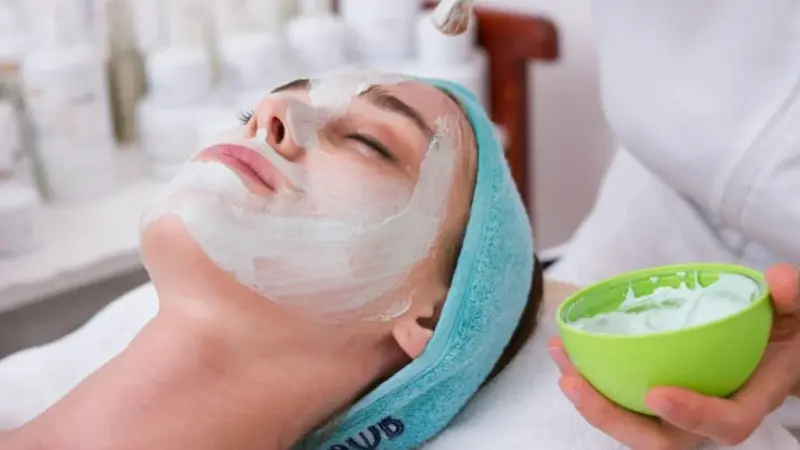
You feel that when you end up liking your image in the mirror. Your shoulders drop a little. Your mood lifts. You manage to move more easily into a room.
Aesthetic medications attempt to provide you with additional of that emotion. Smoother skin. A more balanced profile. Reduced scars of the previous outbreaks or acne.
The big question is quite direct: do these interventions decrease anxiety and depression, or is it a mere cover-up of deeper pain temporarily?
We can stroll through the suggestions of the research and real life, in simple language.
How being different can make you feel different
This paper concerns studies regarding whether appearance enhancement by means of cosmetic surgeries can facilitate emotional pain or whether one still requires deeper support.
A good number of individuals fail to get treatment due to the desire to look accomplished.
They want relief.
Relief from:
- Constant self-criticism
- Avoiding photos
- Concern about other people regarding them.
- Painful memories connected with an injury, painful skin conditions.
And even in case you are confined in such thoughts, you are not lonely.
One quick story.
One of my friends said that she stayed away from bright light for several years because it highlighted her acne scars. With a mere overlay resurfacing, she eventually felt good sitting before a sunny window. Her temper changed as her stressful experiences were lessened each day. Such a transformation is quite tangible. Then it is good to know what is going on behind.
Psychology of Aesthetic Treatment
Selves and emotional suffering
The perception you have of yourself in terms of body and face influences your feelings or mood in a social context.
You assume that people are only aware of your weaknesses, and that is what causes fear.
You might:
- Last-minute cancellations.
- Switch off your camera during the online meetings.
- Avoid dating
- Members of a tribe Overthink all comments concerning appearance.
To some extent, cosmetic operations can interfere with that cycle.
When something irritating to you appears permanent or made smoother, there is no longer any need of the brain to treat it as a crisis.
You:
- If not spending much time on mirrors.
- Do not concern too much about angles and lighting.
- Feel more secure with other individuals.
- To others, this alleviates anxiety on a day to day basis.
The mood is also improved since it is no longer threatened.
Increase in the short-term vs long-term change
The early upsurge is then generally prominent.
You notice the difference.
Friends compliment you.
You stand straighter.
Then life settles.
You resume work, family, stressful situations and old ways of thinking.
When the primary thought in your mind is that you are not good enough, you will not be totally successful with a new nose or even a smooth skin.
The stress usually displaces itself.
You start to notice:
- A line here
- A shadow there
- SO, there is a new weakness that is the next target.
Thus the treatment is beneficial, but it is just a component of a larger picture rather than the solution of a problem.
What Research Suggests About Mood Benefits
Where treatments help most
Studies on some procedures show:
- People who dislike a specific feature often feel less self-conscious after treatment.
- Many report better social confidence and lower appearance-related anxiety.
- Some feel less sad once they stop ruminating over that one feature.
This is especially true when:
- The concern is focused and realistic
- The change is noticeable but natural
- The person already has some coping skills
- Expectations are clear and honest
In these cases, aesthetic care can support mental health.
Not as therapy, but as one piece in a wider plan.
Where treatments fall short,
You see weaker or mixed results when:
- Someone has very low self-worth in general
- There are strong symptoms of depression
- There is trauma or long-term bullying behind the concern
- The person expects the procedure to “fix” their whole life
In those situations, a smoother surface does not touch deeper wounds.
Mood may improve for a short time, then sink back.
So the key is not just “what” you change, but why and what else you are doing for your mental health.
When Anxiety And Appearance Are Deeply Entwined
The role of body dysmorphic disorder
Sometimes the distress is not just about a cosmetic issue.
It is about how the brain processes appearance.
Body dysmorphic disorder, or BDD, happens when:
- You fixate on one or more perceived flaws
- Others see little or no problem
- You feel intense shame or disgust
- You spend hours checking, comparing, or hiding
People with BDD often seek repeated procedures.
They rarely feel satisfied.
In BDD, aesthetic treatments usually do not reduce anxiety or depression for long.
The focus simply shifts, and the distress keeps returning.
The most helpful care here is therapy, often cognitive-behavioral therapy, plus sometimes medication.
Screening for BDD before cosmetic work is very important.
When appearance is linked with other struggles
For many people, appearance distress lives alongside other problems:
- Substance use
- Eating issues
- Relationship stress
- Job burnout
When you fall back on alcohol or drugs to manage the feelings of shame or social panic; curing your skin or repairing a nose will never cure such a pattern.
There are occasions whereby the follow-up is slightly more regulated clinical attention, not another beautiful plan.
As an illustration, when someone you love or you yourself requires assistance in safely quitting use of substances, one must have a Drug Detox in WA in WA that may help in medical and emotional recovery.
To the effect that appearance, anxiety, and other health problems tend to intertwine.
How To Determine Whether Aesthetic Treatment Undergoes in Your Mental Health Plan
The pre-booking questions to ask.
- Pause for a moment and ask:
- – How would I say I would feel following this procedure, in my day-to-day life?
- Do I think this will fix my relationships, career, or overall happiness?
- Have I struggled with anxiety or depression, even when I liked my appearance more?
- How would I feel if the result is subtle, not dramatic?
If your honest answers sound like:
- “I just want my outside to match how I already feel inside.”
- “I want to stop obsessing over this one feature so I can focus on other things.”
Then treatment might fit as part of a balanced plan.
If the answers sound like:
- “Nothing in my life will feel okay unless I change this.”
- “People will finally love me once I look different.”
Then it is a signal to talk with a mental health professional before you move ahead.
How to work with your provider
A responsible aesthetic doctor or nurse will:
- Ask about your motivations
- Review your mental health history
- Look for signs of unrealistic expectations or BDD
- Suggest you see a therapist first if needed
You can help by being honest.
Share if you have:
- Past depression or suicide attempts
- History of eating disorders
- Self-harm
- Long-term bullying or trauma related to appearance
This does not mean you will always be refused treatment.
It simply means your care will be safer and more thoughtful.
If a provider brushes past your mental health concerns or promises that the procedure will “change your entire life,” that is a red flag.
Why Therapy, Support, and Lifestyle Still Matter
Aesthetic change without emotional tools
Imagine your mind as a crowded room.
Cosmetic treatment walks in and turns on better lighting.
You see yourself more kindly, and that feels good.
But if the room is still full of harsh inner voices, old pain, and unprocessed grief, the lighting only does so much.
Therapy helps you:
- Question harsh self-talk
- Understand where your standards came from
- Grieve old hurts
- Develop self-esteem that is not reliant necessarily on your appearance.
These tools may be used with the help of medication in case of its necessity to eliminate the severity of depression and anxiety levels. Lifestyle modification is important as well.
The way your nervous system can respond to stress depends on sleep, movement, food and social association. Even more structure is required sometimes.
How do anxiety or depression relate to substance use or long-term trends? In that case, the degree of treatment can be increased, e.g., in Illinois Addiction Treatment.
When treatments and therapy work together
You need not make a choice of camp. It is neither therapy only nor injectables only.
- In real life, it is common that many people perform well when they:
- Enlist the help of a therapist to create self-acceptance.
- Use medication if their doctor recommends it
- Make small, realistic lifestyle changes
- Choose one or two aesthetic procedures that align with their values
In this setup, the procedure is a partner, not the hero.
You feel more at ease in your skin, plus you have the emotional tools to handle stress when it comes back.
Which it will, because that is how life works?
Practical Tips If You Are Considering Aesthetic Treatment For Emotional Reasons
Ground yourself before deciding
Try these simple steps before booking:
- Write your reasons.
Put on paper why you want the procedure and how you expect to feel afterward.
- Rate your distress.
Use a scale from 0 to 10 for how upset you feel about this feature.
Then rate your overall anxiety or depression in life.
- Imagine no change.
Picture your life one year from now with no treatment.
What else would you want to work on?
- Talk it out.
Share your thoughts with a trusted friend, family member, or therapist.
Notice if your reasons sound balanced or desperate.
These steps do not take long, but they give you a clearer view.
Red flags to watch for
Consider pausing or seeking mental health care first if:
- You jump from one procedure idea to the next
- You constantly compare your face or body to filtered images
- You isolate yourself because of your appearance
- You have powerful urges to harm yourself when you see your reflection
These signs tell you that your suffering is bigger than a surface feature.
You need to be met with the depth of support.
So, can aesthetic treatments reduce anxiety and depression?
The honest answer is layered.
- Yes, aesthetic interventions can alleviate anxiety and depressive moods closely related to a certain, objective appearance issue.
- Yes, a lot of individuals become more confident, social and relaxed because of prudent, well-thought-out procedures.
- No, deep depression, trauma, or body dysmorphic disorder are no exception and can never be solved by treatment alone.
- No, they do not substitute therapy or when necessary medication, or lifestyle change.
Aesthetic care can be regarded as a tool in a bigger toolbox.
Useful.
Sometimes powerful.
Never the only tool you need.
And in case you are torn between your appearance and your inside, your second-best action would be not to panic into a procedure.
It consists of having a candid talk with an experienced mental health practitioner, an ethical aesthetic provider in the event that you are still inclined towards treatment.
A Gentle Next Step
Whenever your appearance concerns the whole day, you do not have to do it on yourself.
You can:
- The thing is to discuss with a therapist how you developed your self-image.
- Have your doctor screen you on anxiety, depression or body dysmorphic disorder.
- Schedule an appointment with an aesthetic provider that does not disregard mental health and does thorough screening.
Apply aesthetic treatments to supplement rather than substitute your wellbeing.
Your image and body form a part of your story but it is not the story.
You need love that looks beyond the surface.