
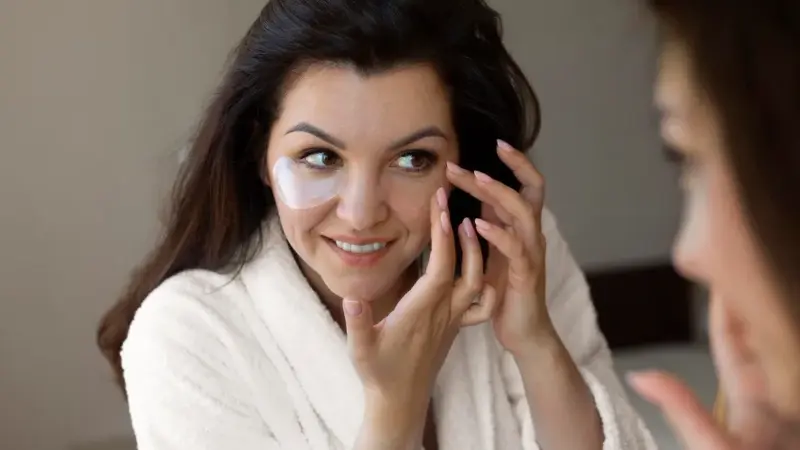
The question many citizens subconsciously ask themselves is, have we even gone so far that Botox would be understandable? Friends talk about it. The social feeds are combated with before and after. And at one point, you could look into the mirror and question yourself whether your present routine is doing you sufficient. This guide assists you in answering that question with relatively relaxed evidence-based actions that place your skin-health policies in the forefront.
In this guide, you’ll:
- Understand what to try before injectables
- Spot signs that it might be time to talk with a professional
- Learn what a safe first Botox visit actually looks like
Start with daily skin habits before injectables
Any anti-aging plan must start with a strong skin routine. Washing, hydrating your skin and shielding it against UV radiations every single day can have a significant effect in loosening wrinkles with time. ClearSkinStudy constantly stresses the idea that improvement is achievable within the realm of consistency and, that is why, it is impossible to stop halfway and begin with the main habits. A lot of individuals observe that the lines become less pronounced with months of consistent regimens, thus it is usually clever to revisit the rationale behind why daily skincare routines improve long-term skin health is often a smart first step.
The habits about the whole body also affect the way your skin becomes older. Sleep, stress management, diet and movement have their roles which are not loud but strong in the behavior of your complexion during an extended period. Dermatologists underline the gentle and regular routines with regard to ageing, particularly, the use of sunscreen, simple actives and the anti-aging skin care tips from board-certified dermatologists explain the importance of these basics. It might take time before Botox becomes effective, and when you are already in a consistent routine, it will be a better option instead of shortcuts or substitutions to everyday care.
Before you consider injectables
- Broad-spectrum SPF 30+ most days
- Suicide bombing your skin does no good to you at all. Have a moisturizer that aids your barrier.
- Slow, steady introduction of retinoids or antioxidants
- Awareness of how your skin reacts over seasons
Habits that quietly change your skin
- Better sleep routine
- Improved hydration
- Stress reduction where possible
- Avoiding smoking and tanning
Lasting skin changes usually come from small, consistent habits—not one dramatic appointment.
Signs your current routine may not be enough
Strong habits and topicals come to a stop at some point. Lines that are imprinted during rest, creases on the forehead, and 11s that remain despite a good rest are some of the reasons that make people approach a professional to talk to them. Skin is a component of totaled body health, and such groundbreaking lifestyle stories as Healthy Habits for Modern Life ensures us that internal aspects do matter. However, in case you already did the job and there are still some lines that bother you every day, there is nothing wrong with looking at in-clinic solutions.
An effective self-test is not really age-related, it is influence. Do you feel that your lines are causing you less confidence than you would like? Do you spend time or are emotionally spending time trying to conceal them in photos? And do you get to experience frustration with regular skincare? These are clues suggesting that some consultation is in order. Simultaneously, when appearance concerns are too strong or persistent, having a talk with a mental health professional can be a wider and more comprehensive or even an alternative to a cosmetic intervention.
A simple self-check before booking
- Do you notice the same lines in every photo?
- Do etched-in lines stay visible even when your face is relaxed?
- Have you followed a routine for months with minimal change?
- Do the lines bother you more than they “should”?
When to pause and seek broader support
- If concerns feel intrusive
- If expectations revolve around perfection
- If lines feel tied to deeper emotional distress
The Role of Botox in an Anti-aging Program
It is best to consider botox as an instrument that aims at addressing the dynamic wrinkles or lines that are created through muscle movement. These usually appear on the forehead, between the eyebrows or at the outer ends of the eyes. Out of this, there are the so-called static wrinkles, which are cut on the skin and can occasionally be worsened, e.g., by other procedures, such as resurfacing or fillers.
There are cosmetic and medical applications of botox, and the expectations are important. Findings are normally seen in a time of a couple of days and the result period lasts 3-4 months. It needs upkeep, and one should expect constant expenditures and subsequent check-ups. In order to articulate these fundamentals well, Botox injections overview and safety from Mayo Clinic summarizes what a majority of patients should anticipate both in medical and cosmetic aspects.
Not all the other aesthetics can be used as a replacement form of Botox. Fillers add volume. Lasers resurface the skin. The purpose of each of the tools varies and your provider can assist in mapping which (possibly none) would be reasonable depending on your goals and skin condition.
Dynamic vs static wrinkles
- Dynamic: caused by movement (frowning, squinting, smiling)
- Static: visible even at rest, due to aging or sun damage
- Botox helps most with dynamic wrinkles
What Botox can and can’t change
- Can soften frown lines and crow’s feet
- Can help prevent deeper movement lines from setting in
- Won’t tighten sagging skin
- Won’t improve texture or pigmentation issues
What You Should Expect on Your Safe First Visit to Botox
It is quite natural to be nervous before a cosmetic appointment. Thoughtful providers will never hurry you and will take time to respond to you. It is not meant to coerce you but to make you realize whether such treatment is suitable to you.
A normal appointment consists of consultation, reviewing of your health history, taking photos or facial mapping and setting up of your objectives. You will also discuss the dosage, the risks, the price and expectations of results. A comprehensive detailed Botox treatment guide from a Richmond plastic surgeon can serve as an actual-life demonstration of how a patient-focused visit ought to be conducted step-by-step.
Immediately after injections, small red bumps occur or tenderness may be experienced that normally disappears in hours. The results will be full after the course of the week or two and follow up instructions would aid you not to rub or apply pressure on any area that has been treated.
Before your appointment
- Write down questions or goals
- Share any medications or supplements
- Avoid blood thinners if advised by your provider
- Understand that “less is more” often applies
During the visit
- Discussion of areas and muscle movement
- Realistic preview of potential outcomes
- Informed consent and safety overview
- Optional follow-up or tweak plan if needed
Nervous is normal—but “rushed” should never be.
Checks, red flags, and questions to be asked
Under the condition of qualified medical personnel applying standardized products in suitable locations, botox is considered to be mostly safe. Search qualifications, no bait and switch tactics, and a modality that does not focus on selling but rather on teaching. The utilization of sterile technique and a relaxed and participative approach helps to maintain minimal risk.
Red flags, on the other hand, should be avoided. These are home Botox parties, uncheckable or unspecified qualifications, hard-selling or insolent reactions to questions. You would need someone who embraces inquisitiveness and is not afraid of you leaving.
Interrogatives to pose prior to the yes
- What have you been certified or trained to?
- What is your Botox frequency of administration?
- And what shall I do if I do not like the outcome?
- What do you do when you experience complications or side effects?
Common red flags
- Pressure to book immediately or add areas
- Offers that seem too cheap
- No written aftercare or consent forms
- Vague or evasive answers
Important lessons prior to making a reservation
Even everyone should not use botox–it is alright. The greatest thing is to feel knowledgeable, at home and in harmony with your values. The guide to achieving clear and healthy skin is a good place to start in case you would like to find out more about what can be done.
- Build habits first
- Notice how lines feel, not just how they look
- Understand what Botox can and can’t do
Choose providers who respect your questions