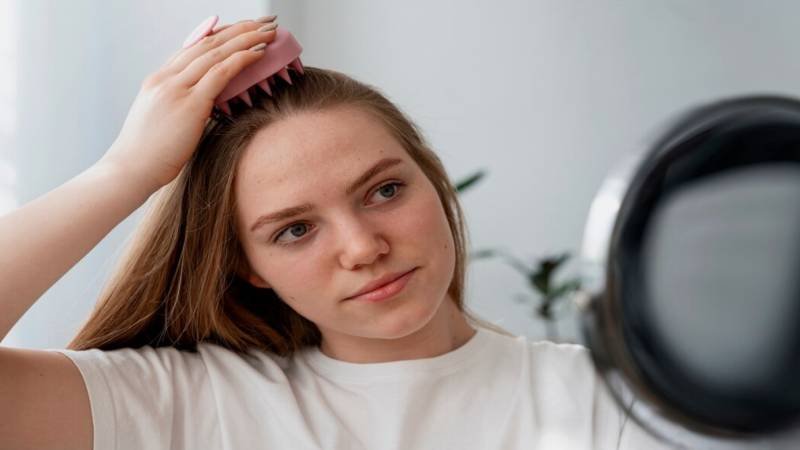
Hair thinning and gradual hair loss are common concerns for many people. As interest in non-invasive beauty technologies grows, light therapy has become a popular option for supporting healthier-looking hair. Light therapy devices use specific wavelengths of light on the scalp and are designed to complement a consistent hair-care routine.
What Is Light Therapy for Hair Growth?
Light therapy for hair growth, often called low-level light therapy, uses specific wavelengths of red or near-infrared light. These wavelengths are directed toward the scalp through devices such as helmets, caps, combs, or specialized hair-growth systems.
The goal is to support the natural environment of the hair follicles. Light-based treatments are generally painless and do not involve needles or surgical procedures, making them appealing to people looking for a convenient approach to hair care.
Results can vary.
Consistency and the quality of the device are important factors.
Supports Healthier Hair Follicles
One of the main reasons people use light therapy is its potential to support normal follicle activity. Hair follicles require adequate cellular energy and a healthy scalp environment to maintain the natural hair-growth cycle.
Red and near-infrared light are studied for their interaction with cells and may support cellular processes involved in follicle function. With regular use, light therapy may help create conditions that support stronger-looking and healthier hair.
However, light therapy is not a guaranteed solution for every type or cause of hair loss. Understanding the reason behind thinning hair is important before choosing a treatment.
May Encourage Visible Hair Growth
A major attraction of light therapy is its potential to improve the appearance of hair density. Some people use light-based devices as part of a long-term routine intended to support hair regrowth and reduce the appearance of thinning areas.
The process is gradual rather than instant. Hair grows in cycles, meaning visible changes can take time to become noticeable. Regular treatment according to the manufacturer’s instructions is therefore essential.
Patience matters.
Hair does not change overnight.
Non-Invasive and Comfortable
Unlike surgical hair restoration procedures, light therapy does not require incisions, injections, or a recovery period. Most devices are designed to be used while sitting comfortably at home.
A typical session may take only a limited amount of time, depending on the device. This makes light therapy a practical option for people who want to add a treatment to their routine without significantly disrupting their day.
Comfort can also make consistent use easier, particularly when a device is lightweight and designed specifically for scalp coverage.
Convenient for At-Home Use
Another important benefit is accessibility. Instead of visiting a clinic for every session, an at-home light therapy device can be used according to a personal schedule.
Some people prefer using their device in the morning, while others incorporate treatment into an evening routine. Establishing a regular schedule can make it easier to remember sessions.
A treatment you can realistically maintain is often more useful than one that is difficult to fit into your lifestyle.
May Improve the Appearance of Hair Thickness
Thinning hair can make the scalp more visible, particularly around the crown, hairline, or parting. By supporting the hair-growth cycle, light therapy may help some users achieve the appearance of fuller, thicker hair over time.
The outcome depends on several factors, including the underlying cause of hair loss, age, genetics, treatment consistency, and individual response.
It is important to keep expectations realistic.
Better-looking hair takes time.
Works Alongside a Broader Hair-Care Routine
Light therapy can be incorporated into a broader approach to hair care. Gentle scalp care, balanced nutrition, adequate sleep, and avoiding excessive heat or harsh styling practices can all help maintain healthy-looking hair.
Some individuals may also use clinically recommended hair-loss treatments alongside light therapy. Anyone considering combining treatments should check with a qualified healthcare professional, particularly when experiencing significant or unexplained hair loss.
A complete routine is often more practical than relying on a single product.
Easy to Incorporate Into Daily Life
Modern light therapy devices are available in different designs to suit different lifestyles. Wearable caps and helmets can allow users to move around or relax during treatment, while handheld devices may provide more targeted application.
When selecting a device, consider factors such as the wavelength, coverage area, treatment duration, comfort, safety information, and manufacturer’s reputation.
Do not choose a device based only on appearance or marketing claims.
Choosing a Quality Light Therapy Device
The quality and design of a light therapy device can make a significant difference to the overall experience. Look for clear information about the light wavelengths used, recommended treatment schedule, safety precautions, and intended purpose.
A reputable product should provide straightforward instructions and realistic information about expected results. If a company promises instant or guaranteed hair regrowth, it is worth approaching those claims cautiously.
Professional advice can also be helpful if hair loss is sudden, severe, or accompanied by scalp changes.
Final Thoughts
Light therapy offers a modern and non-invasive approach for people interested in supporting healthier-looking hair. Its potential benefits include supporting follicle function, encouraging the appearance of hair growth, and improving the look of hair thickness with consistent use. See more.