
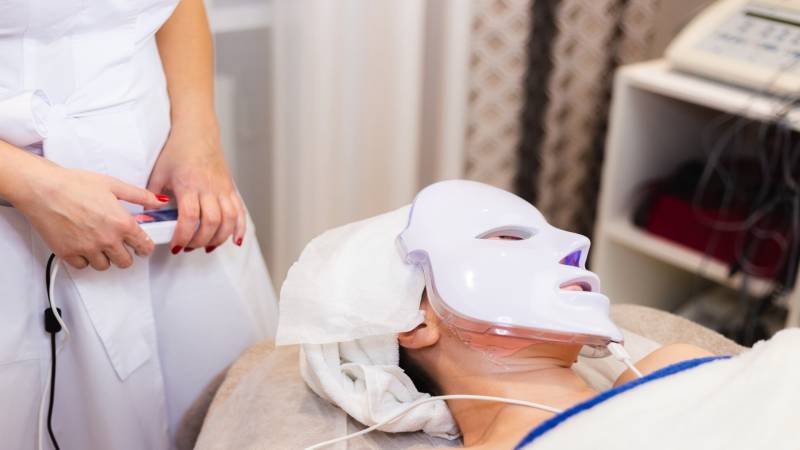
Skincare technology has come a long way, giving people new ways to support a healthy and youthful-looking complexion. Among these innovations, light therapy face masks have become increasingly popular. These at-home devices use specific wavelengths of light as part of a skincare routine, offering a convenient approach for people who want to improve the appearance of their skin without complicated treatments.
What Is a light therapy face mask?
A light therapy face mask is a wearable skincare device that delivers controlled light to the facial area. Depending on the device, it may use red, near-infrared, blue, or other wavelengths, with each type designed for different cosmetic purposes.
Red and near-infrared light are commonly associated with supporting the skin’s natural processes and improving the appearance of firmness and texture. Blue light is often included in devices designed for blemish-prone skin. The exact benefits depend on the wavelength, intensity, treatment schedule, and design of the particular mask.
The goal is to make light-based skincare easy to incorporate into a regular home routine.
Supports a Healthier-Looking Complexion
One of the main reasons people turn to light therapy is its potential to support an overall healthier-looking complexion. Red light therapy is commonly used in cosmetic skincare because it may encourage processes associated with skin repair and collagen production.
Collagen naturally decreases with age, contributing to changes such as fine lines and reduced firmness. With consistent use, a suitable light therapy mask may help the skin appear smoother, firmer, and more refreshed.
Results are generally gradual rather than immediate, so regular use is important.
May Improve the Appearance of Fine Lines
Fine lines are a normal part of aging, but many people look for ways to make them less noticeable. Light therapy offers a non-invasive option that can complement other anti-aging skincare practices.
Red and near-infrared wavelengths are often used in devices intended to support collagen-related processes. Over time, this may contribute to a smoother-looking surface and a more even appearance.
A light therapy mask should not be viewed as a replacement for professional cosmetic procedures, but it can be a convenient addition to a broader skincare routine.
Helps Support Smoother Skin Texture
Uneven texture can make the complexion appear dull or tired. Regular skincare, gentle exfoliation, hydration, and sun protection are fundamental for maintaining smooth-looking skin, while light therapy can be used as an additional step.
By supporting normal cellular activity, certain wavelengths may contribute to the appearance of smoother and more refreshed skin. However, individual responses can vary considerably.
A consistent routine is usually more useful than expecting dramatic results from occasional treatments.
Convenient At-Home Skincare
One of the strongest advantages of a light therapy Artemis Mask is convenience. Professional treatments may require appointments, travel, and additional costs. An at-home device allows users to incorporate light therapy into their schedules.
Many masks are designed for relatively short sessions. Once the device is properly positioned, users can relax during the treatment instead of spending additional time at a clinic.
This makes light therapy especially appealing to people who prefer simple routines they can maintain at home.
Can Complement Existing Skincare
A light therapy mask does not necessarily require replacing your current skincare products. It can be incorporated alongside basic habits such as cleansing, moisturizing, and applying sunscreen.
For many routines, using the mask on clean, dry skin before applying skincare products can be practical. However, users should always follow the specific instructions supplied with their device, as recommendations can differ between products.
Avoid combining multiple strong treatments simply because you want faster results. A balanced routine is often easier for the skin to tolerate.
Choosing the Right Device
Not every light therapy face mask is designed in the same way. Before purchasing one, check the wavelengths provided, treatment recommendations, coverage, comfort, and safety information.
A well-designed mask should provide clear instructions for use. Eye protection is particularly important when recommended by the manufacturer. Consumers should also distinguish between regulatory clearance for a particular use and broad marketing claims about what a product can accomplish.
Comfort matters as well. A device that fits properly and is easy to use is more likely to become part of a consistent routine.
Consistency Is Key
Light therapy is not generally a one-time skincare solution. Most at-home devices are intended to be used according to a regular schedule. Following the recommended frequency and treatment duration can help users evaluate whether the device is beneficial for their individual skincare goals.
Taking progress photos under similar lighting conditions can also provide a more realistic way to observe gradual changes instead of relying on day-to-day impressions.
Give your skin time to respond.
Pair Light Therapy With Healthy Habits
A light therapy face mask works best as part of a broader skincare strategy. Daily sun protection, gentle cleansing, adequate moisturizing, and avoiding unnecessary irritation remain important.
Lifestyle habits also matter. Getting sufficient rest, maintaining a balanced diet, staying physically active, and managing stress can support overall well-being, which can be reflected in the appearance of the skin.
No single device can replace the fundamentals of good skincare.
Final Thoughts
A light therapy face mask offers a modern, convenient approach to maintaining better-looking skin at home. Depending on the wavelengths used, these devices may support the appearance of firmness, smoother texture, and a more refreshed complexion.
The most practical approach is to choose a reputable device, understand its intended use, and follow the manufacturer’s instructions consistently. When combined with basic skincare and daily sun protection, light therapy can become a useful addition to a simple, well-rounded skincare routine. See more.