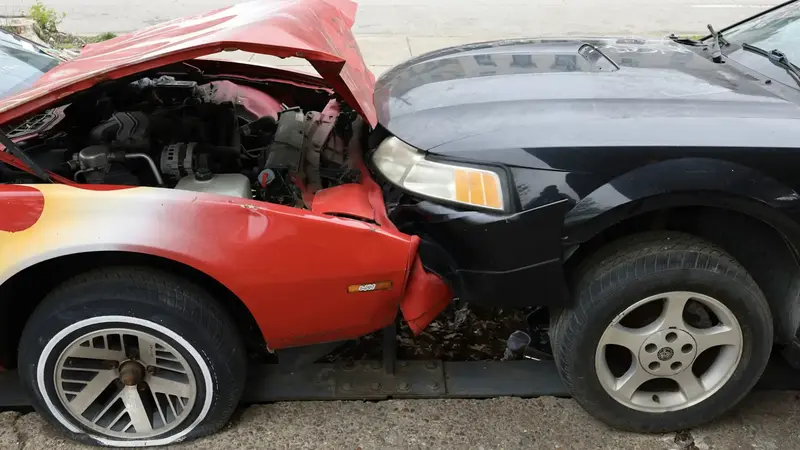
A crash can shock you. One moment, you drive through Lehi. The next moment, your car is twisted metal, and your heart is racing. You might feel fear, anger, or shame. You might worry about your family, your job, and the cost of repairs. You might also wonder what to say and what not to say. This guide explains what to do in those first hard minutes and in the days that follow. You will learn how to protect your health, your money, and your legal rights. First, you will see what steps to take at the scene. Next, you will learn how to report the crash and work with insurance. Finally, you will see when it makes sense to speak with a Lehi car accident lawyer. You do not need to feel alone. You can take clear steps and move forward.
Make the scene safe and call 911
First, breathe and look for danger. Check for fire, leaking fuel, or traffic. If your car moves, turn on your hazard lights and pull to a safe spot. If it does not move, stay inside with your seat belt on until the road feels safe.
Next, call 911. Tell the dispatcher your location in Lehi, how many cars are in the crash, and if anyone is hurt. Utah law expects you to report crashes with injury or clear damage. A police report can protect you later.
Then check on others. Use simple words. Ask if they hurt anywhere. Do not move someone with neck or back pain unless they face clear danger. Wait for medics.
Check your body and get medical care
Many people feel “fine” after a crash. Shock can hide pain. Some injuries show up hours or days later. You still need a check from a doctor or urgent care.
Here is a simple guide to help you decide what to do next. This table does not replace medical care. It only shows common choices many drivers face.
| Symptom after crash | Suggested action | Why it matters
|
| Severe pain, heavy bleeding, trouble breathing, confusion | Go to emergency room at once | These signs can mean life-threatening injury |
| Neck pain, back pain, strong headache, dizziness | See a doctor the same day | These signs can mean spine or brain injury |
| Stiffness, mild soreness, small bruises | Schedule a check within 24 hours | Early notes link your pain to the crash |
| No pain but hard crash or airbag use | Ask your doctor about a check | Some injuries stay hidden at first |
You can read more about common crash injuries and symptoms on the Centers for Disease Control and Prevention road safety page. Use this to prepare questions for your doctor.
Exchange information and gather proof
Once the scene feels safe, share basic details with the other driver. Give and ask for
- Name and contact information
- Driver license number
- License plate number
- Insurance company and policy number
Stay calm and brief. Do not argue. Do not admit fault. Simple phrases like “We should let the report sort this out” can cool the moment.
Next, use your phone to gather proof.
- Take photos of all cars from many angles
- Photograph the road, signs, lights, and skid marks
- Record close shots of damage inside and outside the car
- Write down the weather, time, and what you remember seeing
If anyone saw the crash, ask for their names and phone numbers. Witness words can help if stories change later.
Work with police and get the report
When officers arrive, tell the truth in clear, short sentences. Say what you saw and felt. If you do not know an answer, say “I am not sure.” Do not guess.
Ask how to get a copy of the police report. In Utah, you can request crash reports through the Utah Highway Patrol crash reports page. This report can help with insurance and with legal claims.
Call your insurance and track your costs
Utah uses no-fault rules for personal injury protection. Your own policy often covers early medical costs and lost wages up to its limit. You still need to call your insurer soon after the crash.
When you call
- Report the time, place, and basic facts
- Share the other driver’s insurance details
- Ask about rental cars, towing, and repair steps
Do not give a recorded statement until you feel ready. You can say you will call back after you speak with a doctor or legal help.
Start a folder for all crash records.
- Medical bills and visit notes
- Receipts for medicine and supplies
- Pay stubs that show lost work
- Body shop estimates and repair bills
These records show how the crash changed your life. They also support any claim for payment.
Protect your rights when you feel pressure
In the days after a crash, you might get calls from adjusters. They might sound kind. They still work for the insurance company. Their job is to save money.
Here are three clear rules.
- Do not rush to accept the first offer
- Do not guess about your injuries or money loss
- Do not sign forms you do not understand
If you feel pushed, you can say “I need time to think and to talk with someone I trust.” Then end the call.
When to contact a car accident lawyer
Some crashes stay simple. Others turn into long fights over fault, medical care, or future needs. You might want legal help if
- You havea serious injury or long-term pain
- Someone blames you and you disagree
- An insurer denies or delays your claim
- You feel scared or lost about your rights
A local attorney who handles crashes in Lehi understands Utah law, local roads, and common tactics from insurers. This person can review your report, medical records, and costs. Then you can decide your next step with clear eyes.
Help your family heal after the crash
A crash can shake children and adults. Sleep problems, fear of riding in a car, and mood swings are common. You can help your family by keeping routines, speaking openly, and asking for help from doctors or counselors when needed.
You did not choose the crash. You can still choose your next move. You can protect your health, secure your money, and stand up for your rights. Each small step brings you closer to steady ground again.