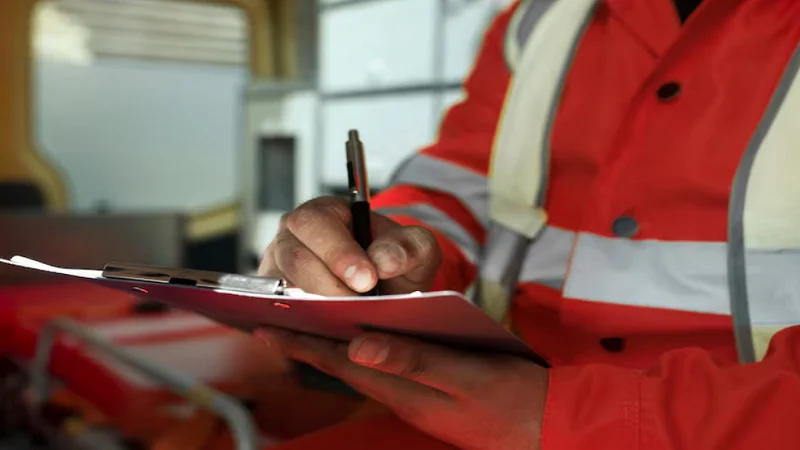
The presence of trained people is one significant factor. However, the major factor that characterizes workplace fire safety is the combination of well-planned alarm systems and sprinklers that extinguish. Fire wardens are the ones who, among their other functions, prepare the organization for emergencies, manage the evacuation process, provide support in maintaining a calm atmosphere, and make sure that no one is overlooked.
A large number of firms do not consider the fire warden’s full list of duties, which includes not only expected to react to emergencies but also all the live living with the risks, giving safety training, and being ready. Recognizing their function is the first step towards building a strong and effective emergency response network.
The employees accepting this role undergo rigorous fire warden training where their confidence, awareness, and response skills are cultivated. Their role, however, is not clear. What activities do they actually do?
Fire Wardens Are Responsible for Prevention, Not Just Evacuation
One of the most common misconceptions associated with a fire warden is that they she only present in times of fire emergency. The reality is, however, that their responsibility begins even days, weeks, or even months prior to the fire alarm ringing. Such scenarios as watching for fire exits that are blocked, fire extinguishers that have passed their use-by date, a lack of proper signage, malfunctioning alarms, and wrong storage of flammable materials are brought about through regular checks by fire wardens.
They continue to monitor and are thereby able to keep the hazards to a minimum and even prevent emergencies from occurring. In addition to monitoring, fire wardens participate in the creation of evacuation plans, modifying procedures, and giving orientation to new staff regarding the escape routes. It is the preventive measures taken by the fire wardens that make an evacuation quicker, safer, and less chaotic in case a fire breaks out.
Coordinating Evacuation Procedures During an Emergency
Fire wardens are the ones in charge during an emergency and take over authority instantly, swiftly, and immediately upon the sounding of the alarm, clearly instructing the staff and visitors to the exits. To guarantee everyone’s safety in the evacuation process is the priority, and so if they are not authorized and trained, they will not fight the fire even if conditions are favorable.
They evaluate the rooms and spots where individuals gather so as to check if there is still anybody around, keeping their cool to avoid the scenario spilling over into panic and a choke point. The guards know the different ways out, the safe zones, and the alternative escape routes for a secure and fast evacuation, hence they help the trapped people.
Ensuring a Safe and Clear Evacuation Path
A fire warden has the duty to ensure that all escape routes are maintained in good condition and can be used in emergencies. This includes frequent inspections of hallways, stairways, fire doors, and evacuation routes. The warden’s activities consist of guiding people to the exits while at the same time managing the movement so that no crowding happens.
In the case that a main exit becomes blocked, the wardens immediately resort to the backup routes, relying on their expertise gained from training and drills to guide everybody safely.
Communicating With Emergency Services and the Chief Warden
Fire wardens are the major communicators between the buildings and the emergency control system during an incident. They inform the chief warden with status updates, evacuation progress, and issues like injuries or uncleared areas. This immediate exchange of information makes the emergency response still and fast.
Ascending to the top positions, usually, the fire wardens receive chief fire warden training, which qualifies them to be the ones in charge of the response teams, the ones in liaison with the emergency services, and even the ones making high-level decisions. Reporting that is clear helps to quickly and safely put into action the moment responders arrive.
Leading and Supporting Emergency Drills
Fire drills are essential for building preparedness. They train employees to recognise alarms, follow exit paths, and move efficiently during real emergencies. Fire wardens aid in the organization and supervision of these drills.
During the practice, the wardens execute the same functions as they would in a genuine evacuation, working people through, taking areas, and ensuring exits. Then, they assess the exercise, identify the weaknesses, and suggest the changes. These regular rehearsals ensure faster response times and better safety outcomes.
Providing Reassurance and Leadership
Emergencies can happen at any time, and the range of feelings they can bring about will be very similar to fear, confusion, and, in some extreme cases, even panic. Nevertheless, it is the fire wardens who establish the right atmosphere by their tranquillity, use of words, and the issuing of directives that are both easy to understand and very powerful in nature.
Their support is responsible for the grouping being orderly and not carrying out dangerous deeds, like running or pushing. They also help visitors, contractors, and temporary staff who might not be aware of the evacuation routes, making sure that they get help and support.
Assisting With the Post-Evacuation Roll Call
As soon as everyone gets to the place where they are supposed to gather, fire wardens assist in checking who is there. They tell the chief warden or emergency services about people who are missing, areas that are blocked, and important information.
This measure confirms that the rescue teams are informed of who might still be inside. Also, the wards manage the movement of people in the meeting points and do not allow anyone to return to the building until it is deemed safe.
Final Thoughts
Fire wardens can be regarded as the most important element in fire safety in offices among all the safety measures. Their job includes spotting the danger, leading the safety practices, controlling the situation, and directing the communication during and post-fire incidents.
Thanks to thorough training, the warden’s presence is always the one that calms the situation and helps save lives. Providers like the first 5 minutes are a good investment in professional development as they give the wardens not only the skills but also the confidence to remain composed in emergencies and to act quickly and effectively.