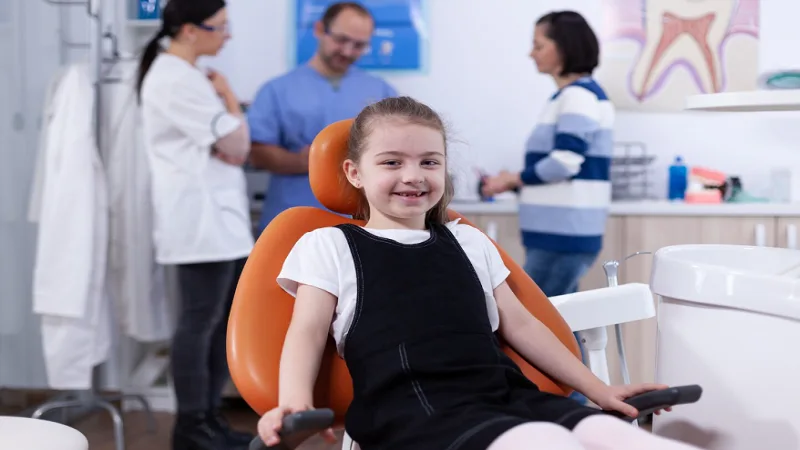
The first smile of the baby signals the beginning of a very significant period for the development of the oral cavity’s health. Most of the time, parents and mothers are distracted by the thought of when the first dental check-up is and how the teeth can be kept healthy, and what’s the best way to introduce daily brushing and flossing. But, together with problem prevention, dental care for kids is also about making them accustomed to showing their teeth and being their confident little self, which is the aim of pediatric dentistry.
Pediatric dentist visits at regular intervals prove to be a good practice for young ones’ teeth health and also for the encouragement of their oral hygiene development. Deciduous teeth are indeed temporary, but still, they are very important for the functions of speaking, eating, and the coming of the permanent teeth. Decay or cavity, if not treated properly, can cause situations as bad as a child being in pain, getting an infection. Or having difficulties in eating or speaking, keeping toddler teeth strong with help from a children’s dentist, oral prevention education for families, and also providing a safe and fun dental office experience.
Taking kids to the dentist from the very beginning, preferably around their first birthday or six months after their initial tooth eruption, is a great way to make them used to the clinic ambiance and the dentist’s gadgets. Kid dentists are specially trained to handle toddlers, using soft methods, easy words, and a warm manner so that the kids don’t get frightened. These small trips bring the dentists’ attention to the child’s growth and allow them to diagnose any potential bite or alignment issues, and finally teach the parents the right ways to ensure oral hygiene at home. Also, with any sort of teeth alignment issues, it is better to consult with a braces doctor in Singapore.
Home care plays an equally vital role. The habit of brushing twice a day and later on flossing has to be instilled in kids, as it gives the proper foundation for using oral care products that will be used for a lifetime. Kids may initially refuse to brush due to sensory issues or boredom. The use of timers, singing, or allowing kids to choose the flavors of their toothbrush and toothpaste are very common to pediatric dentists as techniques to make the process more appealing. These methods not only prevent the invasion of daily oral hygiene practice as a fight, but additionally make it a pleasant routine.
Nutrition is very important for fighting tooth decay, among other things. Enamel can be worn away by the acids and sugars in the foods, and this will lead to cavities. Pediatric dentists recommend fruits, vegetables, and dairy as the best snacks for teeth while also recommending limiting the intake of sugary treats and drinks. Water should be the only drink as it is the most beneficial for the teeth and gums. Parents who provide their kids with a balanced diet and maintain a good oral health routine will have their children successful in the long run.
The growing process of children brings about different dental requirements. Primary teeth in children who go to school might become loose, and there can be a change in the bite, or the first molars might erupt. The changes are observed by the pediatric dentist who, in addition to identifying orthodontic issues very early on, gives preventive options such as sports mouthguards. Frequent appointments make it possible to treat issues associated with the coming of crooked teeth or soft enamel at an extremely early stage and thus to avoid the necessity of more complicated treatments later on.
Constructing a good image of dental treatment is just as important. Children who feel like they are part of the team and participate are more likely to continue good health habits spontaneously. Kids are usually part of hands-on demonstrations that dentists employ to teach gentle, age-appropriate ways of communicating the process, and to teach about brushing and flossing techniques. Instead of instilling fear, this approach fosters understanding, trust, and confidence.
The interaction of parents and dentists is the key to the oral health of children. Communication between parents and dentists is the key to children’s oral health. Talking about teething, thumb sucking, fluoride, and accident prevention are some of the issues that would surely be raised. Parents who receive information and support from their children’s dentist are better placed to establish good practices in the home. This, in turn, results in the children having better teeth and less fear of the dentist.
Baby tooth technology has modernized pediatric dentistry. Digital X-rays cut down on the radiation exposure, laser treatments are less painful, and the tooth dot getting decay cavityless is done using crazy tooth-structure-preserving techniques. Mainly, these innovations have turned dental visits into non-issues or simply made unkind children very cooperative during going through ouch and king, that is, checking and treating.
The habits acquired by children during their early days really influence their later lives. The kids who have decent dental procedures, visit the dentist with a good mood, and eat right are the ones who will probably have strong adult teeth and a nice smile. Parents who work with a pediatric dentist are actually supplying their little ones with the proper direction, tools, and confidence to be able to have teeth that last forever.
This webpage, under the topic of early oral care, mainly emphasizes the importance of dental care in children as a crucial practice. To know how dentists find out the problems with teeth development, stop decay, and promote good practice can be a great advantage in the long term for the oral health of little ones.