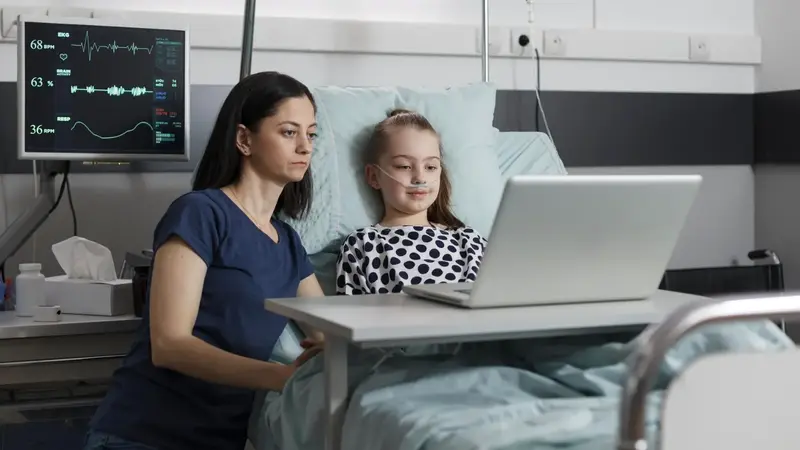
Chronic illness in a child can drain your energy, focus, and sleep. You watch every symptom and sign. You worry you might miss something important. Skilled home nursing can share that burden. A trained nurse watches your child’s breathing, pain, and mood. The nurse tracks medicines and treatment plans. The nurse also teaches you what to watch for each day. This support can lower emergency visits and hospital stays. It can also help your child stay in school and at home. In Chester pediatric home health care, nurses keep close contact with doctors and therapists. They report changes early. They adjust care when needed. They give you clear steps to follow. This blog explains how monitoring works, what you can expect from skilled home nursing, and how it can steady life for you and your child.
Why steady monitoring matters for your child?
Chronic illness does not take a break. Symptoms can change during the day. A small change can signal a crisis. You cannot watch every number and behavior every moment. A skilled nurse can.
Ongoing monitoring helps you:
- Catch early warning signs before they turn into emergencies
- Follow treatment plans from your child’s doctors
- Keep a clear record of symptoms, medicines, and responses
According to the Centers for Disease Control and Prevention, children with chronic conditions face higher risks for hospital stays, school limits, and stress. Careful home monitoring can ease some of that strain. It does not remove the illness. It reduces surprise and chaos.
What skilled home nurses watch each day?
Skilled home nursing is more than a quick visit. It is steady, focused watching and clear action. Nurses use checklists set by your child’s doctors. They also listen to your concerns and your child’s own words.
Common tasks include:
- Checking breathing, heart rate, temperature, and blood pressure
- Watching oxygen levels or blood sugar when ordered
- Giving medicines on time and tracking any side effects
- Caring for feeding tubes, catheters, or central lines when present
- Watching sleep, appetite, and activity
- Noting mood changes such as fear, anger, or sadness
The nurse writes down these findings in clear notes. These notes show patterns. Patterns help doctors adjust treatment. They also help you see what helps your child and what does not.
How skilled home nursing compares with routine family care
You know your child best. You see small changes in mood and comfort. A nurse adds medical skill and structure. The mix of both gives stronger care.
| Type of care | Who provides it | What it includes | Limits
|
|---|---|---|---|
| Routine family care | Parent or caregiver | Daily comfort care.
Giving medicines as instructed. Watching general symptoms. |
No medical training.
Hard to track numbers and trends. Stress and lack of sleep. |
| Skilled home nursing | Licensed nurse | Medical checks and skilled tasks.
Detailed notes for doctors. Teaching you what to watch. |
Limited scheduled hours.
Needs doctor orders and insurance approval. Still needs your daily role. |
Both roles matter. You provide love, comfort, and daily care. The nurse provides medical skill and structure. Together they protect your child.
Common chronic illnesses supported by home nursing
Skilled home nurses support many conditions. Each child is unique. Yet some needs repeat across diagnoses.
- Asthma and lung disease. Nurses watch breathing, inhaler use, and triggers in the home.
- Diabetes. Nurses track blood sugar, insulin dosing, and signs of low or high sugar.
- Heart conditions. Nurses watch heart rate, swelling, and fatigue.
- Neurologic conditions. Nurses monitor seizures, muscle tone, and feeding.
- Cancer and immune disorders. Nurses manage central lines, medicines, and infection signs.
The National Survey of Children’s Health shows that many children live with one or more chronic conditions. Skilled home nursing helps families keep care steady during school, growth, and life changes.
How home nurses work with your child’s care team
Chronic illness care works best when every person shares the same plan. Home nurses act as a bridge between your home and your child’s doctors.
They often:
- Follow written orders from doctors and specialists
- Send reports of symptoms, vital signs, and medicine use
- Call the doctor when they see early warning signs
- Support school nurses with clear information when needed
This teamwork means you do not carry every message alone. You do not need to remember every number or event. The nurse keeps records and helps share them with the care team.
Teaching and support for you and your family
Home nursing is also teaching. You gain skills that help you feel more in control. Knowledge does not remove fear. It gives you tools to face it.
Nurses can show you how to:
- Use home devices like inhalers, pumps, and monitors
- Read early warning signs that need a call to the doctor
- Build simple routines for medicines, meals, and rest
- Prepare for school days, sleepovers, and travel
They also listen. They understand that you may feel guilt, anger, or exhaustion. They help you sort what needs urgent action and what can wait. That clarity can lower your stress.
Planning for day, night, and emergencies
Chronic illness care needs planning. You cannot control every crisis. You can prepare for many of them.
With a skilled nurse, you can build:
- A daily schedule for medicines, checks, and rest
- A night plan for alarms, symptom checks, and who responds
- An emergency plan with clear steps and phone numbers
Write these plans and keep them in one place. Share them with all caregivers. Review them with your nurse and your child’s doctors. Update them after each hospital stay or major change.
Taking the next step
If you feel worn down by your child’s chronic illness, you are not weak. You are carrying more than one person should carry alone. Skilled home nursing can share that weight. It can bring structure, calm, and early action when things change.
You deserve support that respects your role as a parent and honors your child’s strength. You also deserve clear information, not confusion. Ask your child’s doctor about skilled home nursing options in your area. Ask what services exist, what insurance may cover, and what you need to start.
You cannot remove your child’s illness. You can build a safer routine around it. With skilled home nursing, you do not have to stand watch alone.