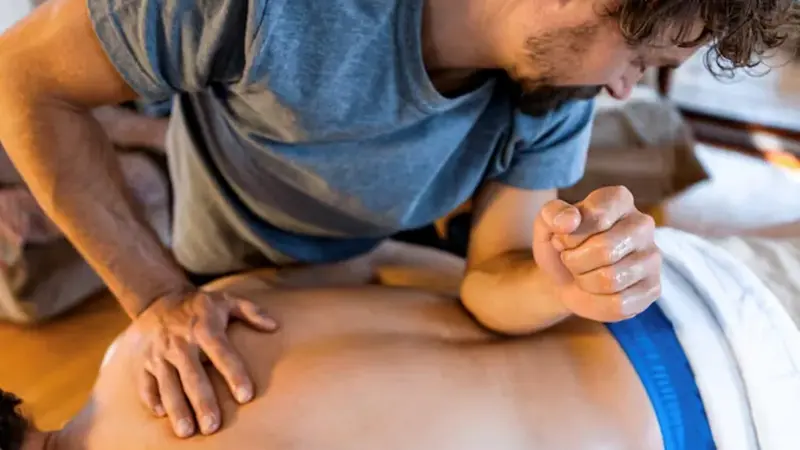
There are times when you need to unwind and rest your body after a long journey or an exhausting week, your rings are tight, your socks cause bruises and you feel like a refreshing touch. This is significant to the lymphatic system that maintains balance of fluids and immunity by circulating a fluid, called lymph, which is full of white blood cells, in vessels and nodes. Slow down of this flow may lead to fluid accumulation that may result in swelling or discomfort. Massage Lymphatic drainage massage involves using light and rhythmic strokes to assist the fluid in returning to active lymph nodes, which relieves tension and relaxes.
Lymphatic massage has become a popular wellness treatment in Bali, and many visitors in Seminyak specifically seek lymphatic massage Seminyak to feel lighter and refreshed. Local clinics offer treatments designed to support circulation and reduce fluid retention, blending medical awareness with relaxation. Before booking, make sure your therapist is trained, and consult your doctor if you have any health conditions. When done properly, this gentle massage can be a mindful step toward restoring balance and calm.
Why Lymphatic Massage Makes Sense?
Lymphatic drainage involves slow and gentle strokes in the movement of fluid in the body vessels to the drainage points such as the neck, armpits, and groin. It aids in eased swelling, greater circulation, and recovery following injury, infection or surgery. The slowing down of lymph flow can cause you to feel heavy, tight or can puff up the skin; these are indicators of fluid retention.
Since the lymph transmits immune cells, the gentle massage may facilitate the process of detoxification and the well-being of the body as well. The primary advantage to the majority of the population is that a person feels lighter and less tense. It is most effective in a balanced treatment regime of good hydration and movement.
What Science Says About Lymphatic Massage?
Clinical research indicates that lymphatic massage works best as a component of an entire treatment response. It aids the circulation of stagnant fluid, swelling of limbs, and pain, particularly when one is recovering after any surgical operation, such as a mastectomy, or when treating lymphedema or rheumatoid arthritis. It has also been shown to increase circulation and decrease stiffness in chronic pain disorders such as fibromyalgia and lipedema, especially with compression, movement, and medical care.
When taken by healthy people, its primary effects are relaxation, loss of puffiness, and lightness, and not a complete body detox. Nevertheless, professional advice plays a crucial role; licensed therapists are highly trained and understand how to change the approaches safely.
Techniques and Variations
The strokes in manual lymph drainage are slow and gentle and move in a direction that is congruent with the normal lymph flow in the body. It usually starts around major drainage areas such as the neck, armpits and groin to open up major lymph channels before proceeding to limbs. A session will take a range of between 15 to 60 minutes and will depend on light pressure other than deep muscle work. Typical ones are the Vodder technique (vibratory motion, sweeps) and the Foldi technique (circles with breaks), the Casley-Smith technique (circles with the hand in gentle movements) and the Leduc technique (drainage fluid to larger vessels).
How Often Should You Get Lymphatic Massage?
It does not have a universal solution. The most appropriate schedule would be based on your health, the intensity of your symptoms, and medical recommendations. Others might begin with increased sessions, which are usually accompanied by mild physical activity or compression stockings, in order to decrease swelling. When you feel better you may then change into a maintenance program to maintain your lymph flow at par.
When you feel lighter, move more comfortably, or you can see you are not bloated or swelling, you will know that it is working. You should not wait too long before you see a difference in your sessions and see your therapist or doctor. Lymphatic massage should be avoided in the presence of heart or kidney problems, infection and blood clots and consultations with a doctor should be taken in case of bad feeling after the procedure.
Recommended Frequency and Duration
Initially, you may attend 2 to 5 times per week during a couple of weeks, after which you will attend less frequently. The duration of every massage is 15-60 minutes, and it depends on what part of your body requires a massage and what you intend to achieve through treatment. The need to support your lymphatic flow may be particularly useful when you have to go to the gym regularly and have intensive training. A lymphatic massage followed by a sport massage routine can also be useful to cut down on post exercise swelling, enhance improved circulation, and quicken recovery.
When you are in Seminyak, you can go once a week to see how you get along. The appropriate regular schedule can be determined later with your therapist. Modify your frequency of going depending on your mood and what your doctor believes is the most appropriate.
Getting the Most from Your Lymphatic Massage
Planning facilitates your lymphatic massage session. Find the appropriate therapist, establish the exact purpose of the session and engage in easy routines before and after the session. These are some important tips that can make the experience safe, particularly in handling swelling or post surgical recovery in the humid weather in Indonesia.
Preparing for Your Session
One should be ready well. Whether you have a heart or kidney issue, history of clots or a current infection, seek medical clearance, and provide your therapist with the information about your health history, including any surgeries or current symptoms. Drink as much water as possible, but do not eat large meals immediately before the session. The massage needs to be light and rhythmic with emphasis on certain areas and followed up with the outward movements with a duration of between 15-60 minutes.
To optimize your treatment, you should be gentle with your activity, perform some deep breathing, and use compression clothing, when directed to do so. Monitor swelling and the fit of clothes, and call your therapist in case you do not feel well later. Home treatments can help promote the flow of the lymphs, through deep breathing, light dry brushings, stretching, or swimming.
The Bottom Line
Lymphatic massage is best at times when your body has difficulties in draining lymph fluid. It is particularly useful post-surgical, as cancer therapy, injury, or in the case of lymphedema, lipedema or chronic venous insufficiency. This treatment can lighten the load, decrease the swelling and enhance mobility but long time outcomes are different in different individuals. There are also some studies that indicate the possible benefits of the condition such as rheumatoid arthritis and fibromyalgia, although more high-quality studies are required.
As part of overall well-being, the lymphatic massage can just assist the body to relax, increase the circulation, and promote a feeling of lightness rather than detoxifying it. A qualified therapist must always be selected, particularly when you have problems with your heart, kidneys, or clotting, and you should always discuss any health problems with your therapist. An appropriate evaluation of the technique can make sure that it is safe, your technique, and that it can provide you with the most significant benefits to the overall wellbeing.