
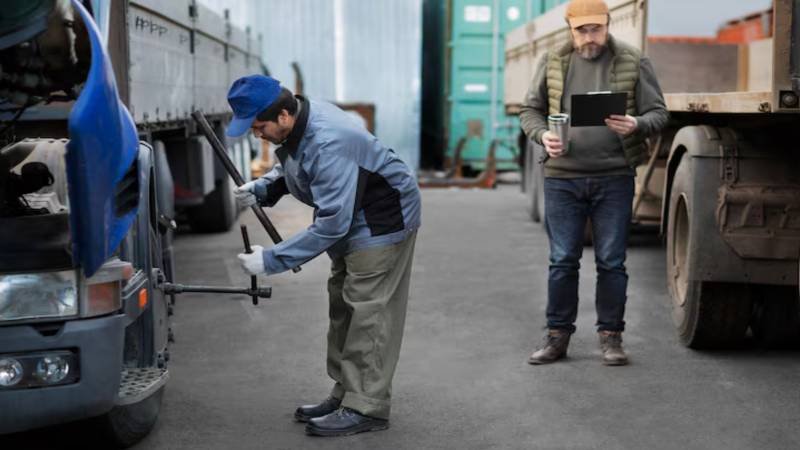
Commercial trucks move through Las Vegas every day. When one hits you or someone you love, your life changes in one violent instant. You face medical bills, lost pay, and fear about what comes next. Federal and Nevada trucking rules exist to prevent these wrecks. They control driver hours, truck weight, maintenance, and cargo. When a trucking company or driver breaks these rules, you have rights. You can demand answers. You can seek payment for your losses. This blog explains how trucking regulations work, how crash investigations unfold, and what evidence can prove fault. It also explains how insurance companies try to limit your claim and how you can respond. You will see how Las Vegas truck accident lawyers at Brian Boyer Injury Firm use these rules to protect victims and families after a crash.
Key trucking rules that protect you
Commercial trucking is not a free for all. Federal and state rules set clear limits. When a truck hits you, these rules often decide who must pay.
Three core rule groups affect many crashes.
- Driver hours and rest
- Truck weight and cargo
- Inspection, repair, and records
The Federal Motor Carrier Safety Administration explains these rules in detail at https://www.fmcsa.dot.gov/regulations/hours-service/summary-hours-service-regulations. Nevada also adds rules that apply inside the state.
Driver hours and fatigue limits
Truck drivers must follow “hours of service” rules. These rules try to prevent tired driving. Tired driving feels like drunk driving. It slows judgment and reaction.
Basic rules for most long haul truck drivers include three key limits.
- Maximum driving hours in one day
- Required off duty breaks
- Maximum weekly driving hours
Common Federal Hours of Service Limits for Truck Drivers
| Rule type | Limit | What it means for you after a crash |
| Daily driving limit | 11 hours of driving after 10 hours off duty | If the driver drove longer, fatigue may help prove fault and company neglect |
| 14 hour on duty window | No driving after 14 hours on duty | Work days that stretch longer can show pressure from the company |
| 30 minute break | Break after 8 hours of driving time | Missed breaks can support a claim of unsafe scheduling |
| Weekly limit | 60 or 70 hours in 7 or 8 days | Too many hours in a week can show a pattern of unsafe work |
Today most trucks use electronic logging devices. These record driving time. Crash lawyers often use these logs to show rule breaking and pressure from trucking companies.
Truck weight, cargo, and road safety
Weight and cargo rules protect you and your family on the road. Heavy trucks need longer to stop. They also cause more harm on impact.
Key limits include three main points.
- Maximum weight for the truck and load
- Balanced loading across axles
- Proper tying or sealing of cargo
When a company overloads a truck or stacks cargo wrong, the truck can tip or spill. You might see this as a sudden lane change, swinging trailer, or falling load. These facts can link a crash to rule breaking.
Inspections, repairs, and safety records
Federal rules require regular inspections and repair logs. Nevada adopts many of these rules for trucks on state roads. The Nevada Department of Transportation shares safety data and reports at https://www.dot.nv.gov/safety.
After a crash, three key record sets often matter.
- Daily inspection reports from the driver
- Repair and maintenance logs from the company
- Past safety audits and violation records
These records can show a pattern. You might see worn brakes, bald tires, or ignored warnings. This pattern can support a claim for money and sometimes punishment money.
How crash investigations work in Las Vegas
After a truck crash in Las Vegas, many groups may investigate. You might feel pushed aside. You do not need to stay silent. You can track the process and protect your claim.
Common investigation steps include three stages.
- Police response and crash report
- Company and insurer review
- Independent review for you
Police gather facts at the scene. They note skid marks, damage, weather, and early witness statements. They may also check logs and cargo papers. You can request a copy of the report.
The trucking company and its insurer often send teams fast. They may take photos, move the truck, and start shaping a story that protects them. This can place you at a clear risk of blame shifting.
An independent review for you focuses on three things.
- Securing electronic logs and truck computer data
- Preserving camera footage and phone records
- Collecting witness names, medical records, and wage records
Evidence that often proves fault
You may feel that the crash was not your fault. You still need proof. Truck cases often turn on specific evidence types.
- Electronic logging device data
- GPS and route records
- Truck camera video
- Dispatch messages and emails
- Drug and alcohol test results
- Load tickets and weight slips
Each item can show rule breaking. For example, GPS records might show speeding. Load tickets might show weight over the limit. Camera video might show phone use or tailgating.
Your rights after a truck crash in Nevada
Nevada law gives you clear rights when a truck hits you. You can seek payment for three main harm groups.
- Medical treatment and future care
- Lost wages and reduced future earning power
- Pain, suffering, and loss of normal life
Nevada uses a shared fault rule. You can still recover money if you were less than half at fault. Trucking rules and safety records often reduce any blame put on you.
You also have the right to say no to quick low offers. Insurance adjusters may press you to sign papers or give recorded talks. You can refuse and take time to understand your rights.
Common insurer tactics you may face
Insurance companies protect their own balance sheet. After a crash, you may see three common tactics.
- Blaming you for sudden stops or lane changes
- Downplaying pain or old injuries
- Rushing you to accept a small payment
These tactics can feel cruel. You might feel shame or doubt. Trucking rules and solid evidence often cut through these attacks. Honest records speak louder than blame.
Taking your next step
After a truck hits you in Las Vegas, you do not need to carry this alone. You can learn the rules that should have protected you. You can collect records before they vanish. You can hold drivers and companies to the standards they chose to ignore.
Your life changed in one instant. You still have power over what comes next. See more: clearskinstudy.org.