
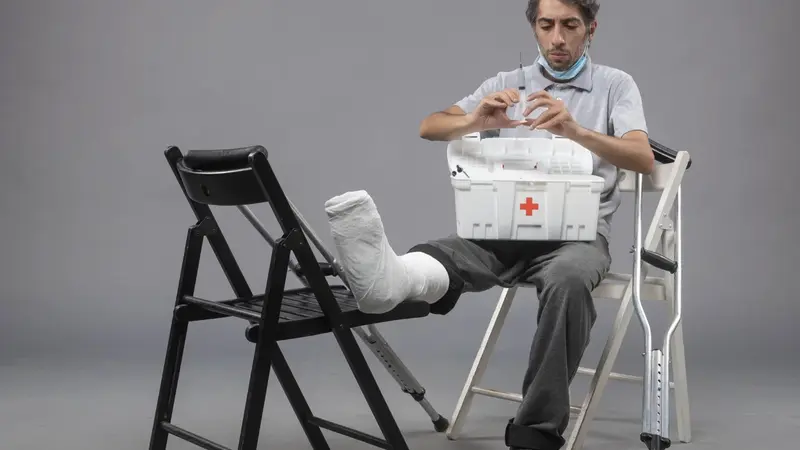
When you get hurt in Brookfield because someone was careless, you carry pain, bills, and questions. You may wonder what proof you need and who will believe you. Evidence is what turns your story into a strong legal claim. Without it, insurance companies can ignore you. With it, you can protect your health, your income, and your dignity. A Brookfield personal injury attorney will look for clear facts that show what happened, who caused it, and how it changed your life. This evidence can come from many sources. It might be photos, medical records, or honest witness statements. It might be damaged property or digital data. Each piece adds strength. This guide explains the types of proof that matter most in a Brookfield case, why they matter, and how you can start protecting your rights from the first moment after an injury.
Why Evidence Matters In A Brookfield Injury Case?
Wisconsin law expects you to prove three things. You must show that someone was careless. You must show that this carelessness caused your injury. Furthermore, you must show how much harm you suffered. Evidence is how you do that.
Courts and insurance companies trust records and photos more than memories. Your pain is real. Yet it is the paper, images, and data that often decide the outcome. Strong evidence can:
- Confirm how the injury happened
- Connect your medical problems to the incident
- Support the dollar amount you request
The earlier you gather proof, the harder it is for anyone to deny what happened.
Key Types Of Evidence You Should Save
Every case is different. Yet most Brookfield injury claims rely on three core groups of evidence.
- Scene evidence
- Medical evidence
- Impact on your daily life
Each group helps answer a different question. What happened. How you were hurt. How your life changed.
Scene Evidence
Scene evidence shows what happened in the moment. You can collect much of this yourself if it is safe.
- Photos and video. Take wide shots and close ups. Show traffic lights, skid marks, broken glass, torn clothing, weather, and lighting.
- Witness names and contact details. Ask bystanders for phone numbers and email addresses. Witnesses often leave once police arrive.
- Police reports. For crashes and some other incidents, an officer writes a report. This can note tickets, diagrams, and early statements. You can review state crash reporting guidance at the Wisconsin Department of Transportation.
- Security or dash camera footage. Nearby stores, homes, buses, or your own car may have video. Request that the owner save it. Many systems record over old footage in days.
- Physical objects. Save damaged items. Keep broken parts, torn clothing, and child car seats. Do not fix them yet.
If you cannot collect this proof yourself, you can ask a trusted person to help. You can also write down what you remember as soon as you can. Memories fade fast.
Medical Evidence
Medical records show that you were hurt and how badly. They also help link your injury to the incident.
- Emergency room and clinic records. These show your first complaints, exam findings, and early treatment.
- Imaging and test results. X-rays, CT scans, MRIs, and lab tests can show broken bones, brain injuries, and other harm.
- Ongoing treatment notes. Physical therapy, follow-up visits, and counseling records show that your pain did not fade fast.
- Medication lists. Prescriptions and receipts show the need for pain control and other care.
Prompt care helps both your health and your claim. The Centers for Disease Control and Prevention explains how untreated injuries can worsen over time in its injury resources at the CDC Injury Center. If you wait, insurers may say something else caused your pain.
Evidence Of How Your Life Changed
Injury cases are not only about bills. They are also about how your life changed at home, at work, and in your relationships.
- Work records. Save pay stubs, time off slips, disability forms, and employer letters about missed work or changed duties.
- Home care costs. Keep receipts for child care, house cleaning, lawn work, and rides you needed because of your injury.
- Personal journal. Short daily notes about pain levels, sleep, mood, and missed events can be powerful.
- Photos over time. Pictures of bruises, stitches, casts, and scars can show healing or lasting marks.
These records help show losses that do not appear on a medical bill. They give your story weight.
Common Evidence Sources By Case Type
Examples Of Helpful Evidence In Common Brookfield Injury Cases
| Case Type | Key Evidence From Scene | Key Evidence Afterward
|
|---|---|---|
| Car crash | Police report, crash photos, skid marks, airbag deployment, dash cam or traffic camera | Repair estimates, rental car bills, medical records, wage loss records |
| Slip or trip and fall | Photos of spill or hazard, no warning signs, weather records, incident report | Footwear kept in same condition, medical visits, rehab records, home care costs |
| Dog bite | Photos of dog, collar or tags, witness names, animal control report | Wound photos over time, infection treatment, vaccine records, scar treatment notes |
| Work related injury | Unsafe equipment photos, coworker statements, OSHA or safety reports | Workers compensation forms, job restriction notes, therapy records |
What To Do Right After An Injury?
After an injury, you may feel shock and fear. You also face choices that affect your evidence. You can:
- Call 911 if anyone is hurt or there is danger
- Get medical care as soon as you can
- Take photos and video if it is safe
- Collect witness names and contact details
- Ask for copies of any incident or crash report
- Tell your doctor exactly how you were hurt
You can avoid arguing at the scene about fault. You can stay calm and protect your health first. You can then protect your future claim.
What Not To Do With Evidence?
Some choices can weaken your proof. You should:
- Not throw away damaged items like phones, helmets, or shoes
- Not post about the incident or your injuries on social media
- Not sign broad releases or settlements without careful review
- Not skip medical visits once treatment starts
Insurance companies often search social media and old records. A single post can be used against you.
How A Lawyer Uses Your Evidence
A Brookfield personal injury attorney can gather, protect, and present your proof. The lawyer can:
- Request records and video from police, stores, and employers
- Work with doctors and experts who can explain your injuries
- Organize bills and records into a clear story
- Negotiate with insurers using facts instead of feelings
You do not have to carry this weight alone. With steady evidence and clear support, you can stand up for yourself and your family after an injury in Brookfield.