
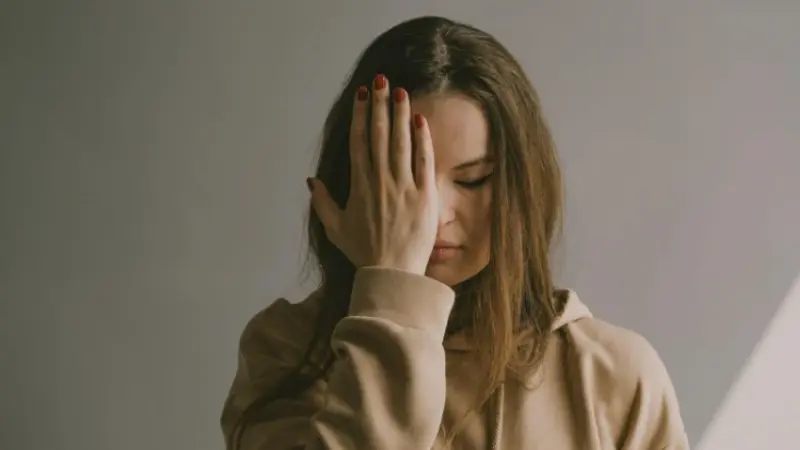
You get up, check out the mirror, and have another breakout. Or a red spot of which there was none today. You have a face that is longing in a bed after a whole night. You begin to ponder whether there is some message your skin is trying to get through to you. It probably is.
And your mind and your skin butter up all day. When those stresses adopt a lodging habit, things will get sloppy with that talk. The outcome is acne, redness, itchiness, dullness, or flare up which seems to be random. They are not random. They are connected.
The mind-skin loop in plain English
Your skin must be much more than that. It is a component of a bigger mechanism that reacts to your hormones, immune messages, sleep, as well as daily habits. Once your brain thinks you are stressed, your body is ready to be attacked. Such a reaction helps in the short term. It helps you focus and react. However, chronic stress alters the rules.
Stress hormones are still being released by your body. Your bodily defenses are on the alert. Your sleep gets lighter. Your habits shift. You can touch your face more, skip a meal or break into snacks. So your own skin will get into it.
Why does it tend to express itself through the face?
Several oil glands and nerve endings, as well as blood vessels, are located on your facial skin. That makes it extra reactive. Even one inner transformation may manifest itself within a short period of time in the form of shine, blocked body, flushing, or discomfort. That is why your face could be a weak scoreboard.
The effect of stress on your skin, step-by step
There is no one outcome of stress. It commits some minor modifications simultaneously. The combination of them can total to a flare.
The hormone and inflammation delay
You get cortisol and other hormones that are associated with stress when you are anxious or overworked.
These signals can:
- Increase oil production
- Speed up inflammation
- Slow down skin repair
- Disrupt your protective barrier
The arrangement of such a mixture preconditions escape and frustration.
Inflammation matters here. That is why a tiny pimple is capable of growing into a huge, enraged one. It is also the reason that you might be left reddened or itchy even longer than you would have thought.
Daily indications on your face made tense
The pattern can be observed without having to run a lab test. Your changes usually provide the clues in a day to day.
Follow-up breakouts
People start seeing acne peaks when there are deadlines, family issues, stress while traveling or having a bad week due to poor sleep. It is not a coincidence that it happens at this time.
The stress outbursts can be manifested as:
- Deeper, more tender pimples
- Clusters along the jawline or cheeks
- Slow-healing spots
- More frequent picking or rubbing
When you find your skin is clearer on a lower heat incident and then flares on an up-tilt when you are feeling stressed-out, then chances are and chances are that you are observing the loop in action.
Erythema, erythema flushing, and erythema sensitivity
Stress may cause enlargement of blood vessels and the occasion of skin reactivity. This may exacerbate such conditions as rosacea or eczema. When you rub some products that were tender on your face, it may sting.
You might also notice:
- Hot, flushed cheeks after tense conversations
- A tight, dry feeling, even with moisturizer
- Itching that gets worse at night
These are typical indicators of stress.
The dull, tired look
Stress will diminish the quality of sleep in addition to collagen support in the long-term. You may see:
- Darker under-eye circles
- Puffiness
- A gray or flat tone
- More visible fine lines
Well, it does not seem that you are becoming old overnight. It is like you are operating on reserves.
One quick personal note. I once observed that I flushed all over when I was in the office working during a stressful and tense month when I never noticed the color clear and the bloom vanished after the week ended.
Meditative procedures, relaxing the brain and skin
You need not live an ideal wellness lifestyle in order to achieve results. You require consistent basics. Minuscule efforts in everyday life are better than grand plans that you are not able to sustain.
Establish a simple regimen of taking care of your skin
The higher the level of stress, the lesser the number of unexpected results which your skin prefers.
Try this structure:
- Gentle cleanser, morning and night
- Light, non-comedogenic moisturizer
- Sunscreen every morning
- One targeted treatment at a time
Mild salicylic acid or benzoyl peroxide preparations can assist even in case of a person who is prone to acne. In case you have redness as the primary concern, consider such barrier-supporting that are part of carbamide.
Go slow. Add one product after that, two weeks later, monitor your skin.
Sleep as your best skin tool
Sleep aids in the process of cortisol regulation and also repairing of the skin. Inflammation is increased due to poor sleep. You feel it on your face.
Timely scheduling is one realistic objective.
Although you may not be able to sleep eight hours, schedule up and down.
Helpful habits:
- Dim screens an hour before bed
- Keep your room cool
- Avoid heavy meals late
- Use a short wind-down routine
A five-minute rest can help. Wash your face. Apply moisturizer. Breathe slowly. Then get into bed.
Available hydration along with recovery-enhancing food
Stress can make you eat and hydrate without your being aware of it.
Support your skin by:
- Drinking water throughout the day
- Eating balanced meals with protein, fiber, plus healthy fats
- Reducing high-sugar snacks during flares
It does not mean that you should pull out all you love. You simply want to reduce large percentages of daily spikes, which are their nourishment of inflammation.
Meditative practices that seem achievable
This is one of the points at which most people get stuck. They believe that excessive stress requires a significant change in lifestyle.
It does not.
Try small switches:
- Two minutes of slow breathing before you check your email
- A short walk after lunch
- Stretching while your coffee brews
- Writing a quick list to get thoughts out of your head
Nursing is repetitive to your nervous system. These minute clues have the power to reduce your pre-determined offsetting stress in the long run.
When to get extra help
Other times it is not even your skin. It is the indicator of a greater load that requires support.
See a dermatologist in the case of persistence of the flares
Professional plan sought in case your symptoms prolong to several months, or solely due to rapid progression. A dermatologist will assist you in eliminating such conditions as rosacea, eczema, hormonal acne, or contact reactions.
This will save time and money and frustration.
Take mental health assistance into consideration
In case anxiety is constant, it will be more difficult to recover your skin. The cause may be stabilized with the help of either therapy, directed stress or medical treatment. There are also outpatient anxiety treatment options which can provide more structured support.
And when the stress is associated with coping with alcohol or drugs, support will keep your health (as well as your skin) safe.
That next step can include Addiction Treatment Center, that is trusted.
That is not a dramatic move.
It is a practical one.
The bottom line
It is not a difficult face you have got. What your nervous system is transporting, it is reacting to that.
So be kind to the pattern.
Notice it.
Work with it.
Keep your routine simple. Have a consistent schedule. Drink water. Eat steady meals. Insert little paddle releases, which fit into your life.
Give thy skin a time then, bare.
Feel like making a more relaxed plan this week? Change things by only one day. Something small. Something that you are able to repeat tomorrow.