
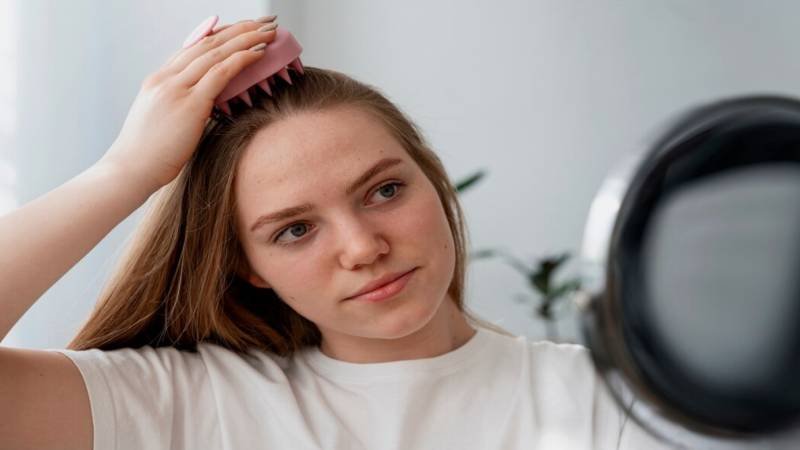
Hair loss affects millions of people, yet society often views it as a uniquely male issue. This misconception leaves many women feeling isolated when they notice thinning locks or a receding hairline. Fortunately, modern restorative procedures offer highly effective solutions tailored specifically to female biology. If you are experiencing thinning hair, looking into a hair transplant for women in Raleigh can provide a permanent, natural-looking solution. However, surgical restoration is not the only path forward. Depending on the underlying cause of your hair thinning, medical interventions like alopecia treatments in Raleigh may be more appropriate. Understanding the differences between these approaches helps you make an informed decision for your hair restoration journey.
The Root Causes of Female Hair Thinning
Before choosing a treatment, you must identify why your hair is falling out. Female pattern hair loss, or androgenetic alopecia, is the most common cause of thinning. This hereditary condition typically causes diffuse thinning across the entire scalp, particularly along the part line, while preserving the frontal hairline. Because this type of hair loss is progressive, addressing it early yields the best results.
Autoimmune and Medical Conditions
On the other hand, conditions like alopecia areata, traction alopecia, or telogen effluvium require different management strategies. Alopecia areata is an autoimmune disorder where the immune system mistakenly attacks hair follicles, causing patchy hair loss. Traction alopecia results from prolonged physical tension on the hair shaft, often from tight hairstyles. Telogen effluvium is a temporary shedding triggered by physical or emotional stress, hormonal changes, or nutritional deficiencies. Because these conditions stem from systemic or external factors rather than simple genetics, surgical solutions are rarely the first line of defense. Instead, targeted medical therapies are necessary to calm inflammation, address hormonal imbalances, or correct styling habits. Identifying the exact cause through a professional evaluation ensures you do not waste time or money on ineffective treatments.
How Surgical Restoration Restores Density
For women experiencing hereditary thinning or localized hair loss due to scarring or trauma, surgical intervention offers a reliable, long-term answer. Opting for a hair transplant for women in Raleigh involves moving healthy hair follicles from a donor site—usually the back of the head—to the areas experiencing thinning. Surgeons typically use Follicular Unit Extraction (FUE) or Follicular Unit Transplantation (FUT) techniques to achieve natural-looking results.
The FUE and FUT Techniques
During an FUE procedure, individual hair follicles are extracted one by one and meticulously implanted into the thinning areas. This method leaves tiny, virtually invisible scars, making it ideal for women who prefer shorter hairstyles. FUT, or the strip method, involves removing a small strip of scalp from the donor area, dissecting it into individual grafts, and placing them in the recipient sites. FUT often allows for a larger number of grafts in a single session, which is beneficial for extensive thinning. Because female hair loss tends to be diffuse, a skilled surgeon must carefully evaluate the donor area to ensure there is enough stable hair for a successful transplant. When performed by an experienced specialist, this procedure restores both physical hair density and personal confidence.
Non-Surgical Medical Therapies for Alopecia
While surgery works wonders for genetic thinning, autoimmune or inflammatory hair loss requires medical management. Seeking specialized alopecia treatments in Raleigh allows patients to access advanced therapies designed to stop active shedding and stimulate dormant follicles. These non-surgical options are crucial for conditions where hair follicles are inflamed but not permanently destroyed.
Common Medical Interventions
Dermatologists often recommend topical or oral medications to manage alopecia. Minoxidil remains a gold standard for stimulating blood flow to hair follicles, prolonging the growth phase of the hair cycle. For autoimmune conditions like alopecia areata, corticosteroid injections directly into the scalp can reduce inflammation and allow hair to regrow. Additionally, Platelet-Rich Plasma (PRP) therapy has gained popularity as a natural treatment. PRP involves drawing a small sample of the patient’s blood, spinning it to concentrate the platelets, and injecting it into the scalp to deliver growth factors. Low-level laser therapy (LLLT) is another non-invasive option that uses red light to stimulate cellular activity in weak follicles. These medical treatments focus on stabilizing hair loss and creating a healthy environment for natural regrowth, making them indispensable for complex alopecia cases.
Comparing Surgical and Medical Approaches
Choosing between a surgical transplant and medical therapy depends on your diagnosis, goals, and the stability of your hair loss. A hair transplant for women in Raleigh is a permanent structural solution. It physically moves hair to areas where follicles have stopped producing entirely. However, surgery does not stop the progression of genetic hair loss in the surrounding untreated areas. Therefore, surgeons often recommend combining a transplant with ongoing medical therapies to maintain the surrounding hair.
Matching Treatment to Diagnosis
Conversely, medical alopecia treatments in Raleigh focus on systemic management and slowing down active hair shedding. If you suffer from an active autoimmune flare-up, a transplant is contraindicated because the immune system would likely attack the newly transplanted follicles. Medical treatments stabilize the condition first. For temporary shedding like telogen effluvium, surgery is unnecessary because the hair will naturally regrow once the underlying trigger is resolved. Ultimately, surgical restoration is about rebuilding density in bald or severely thinned areas, while medical treatments are about preservation, inflammation control, and follicle stimulation. Consulting a specialist who offers both surgical and non-surgical options ensures you receive an unbiased recommendation tailored to your specific hair loss pattern.
Final Thoughts
Dealing with hair loss can be emotionally challenging, but modern hair restoration offers clear pathways to recovery. Whether you choose a surgical hair transplant for women in Raleigh to restore permanent density or utilize targeted alopecia treatments in Raleigh to manage an active medical condition, taking action early is key. Every successful journey begins with an accurate diagnosis from a qualified specialist who understands the unique complexities of female hair loss. By combining the right treatments with expert guidance, you can halt thinning, regrow your hair, and regain the confidence you deserve. See more.